The merch world is not slowing down. The promotional products industry hit a record $26.6 billion in 2024, and consumers still genuinely enjoy branded items when they feel useful, stylish, and worth keeping. That matters for event planners because co-branded merch has a huge upside, but only when it feels like a real collaboration instead of a sponsor logo dropped onto a blank tee at the last second. If you want attendees to actually wear it, post it, and remember who brought it to life, the strategy has to be tighter than that.
Why Co-Branded Merch Often Fails (And How to Fix It)
Most co-branded event merch fails for one simple reason: it looks negotiated, not designed.
You can tell when five stakeholders touched a sweatshirt and none of them wanted to give an inch. The event brand wants personality. The sponsor wants visibility. Legal wants compliance. Marketing wants lead gen. By the end, the piece feels more like a sponsor obligation than a product someone would ever choose to wear out in public.
That is the wrong energy.
The fix is to treat the merch like a collection first and a sponsorship asset second. Start with one creative direction that both brands can live inside. Think mood, silhouette, color story, imprint style, and use case before you get lost in logo sizing. The goal is not “How do we fit both logos?” The goal is “What would make this feel elevated enough that someone would want it even if there were no event attached?”
A few practical resets help fast:
- Choose the audience before the product.
- Choose the product before the artwork.
- Choose the artwork before the logo placement conversation.
- Decide what the sponsor is buying: visibility, exclusivity, premium gifting, or attendee goodwill.
That order matters. A sponsor that wants broad awareness may belong on high-volume giveaway pieces. A sponsor that wants premium association may be a better fit for VIP kits, speaker gifts, or lounge-only merch drops.
This is also where smart event teams separate merch from clutter. According to PPAI’s consumer study on promotional products, people are highly receptive to branded merchandise when it feels relevant and useful. That is your opening. Give them something wearable, not just visible.
Start With Brand Hierarchy: Who Leads, Who Supports
If there is one conversation to have early, it is this one.
Who is the lead brand on the piece?
Not on the sponsorship deck. Not on the event website. On the actual product.
When no one defines hierarchy, everything starts competing. The event logo grows. The sponsor logo grows. Then both brands end up overcorrecting and the piece loses any premium feel. Clean co-branded merch works because somebody leads and somebody supports.
Here is the simplest framework:
- Event-led: Best for attendee apparel, public swag, and pieces meant to build community.
- Sponsor-led: Best for hospitality gifting, private dinners, executive kits, or sponsor-specific activations.
- Equal lockup: Best only when both brands are already culturally aligned and visually compatible.
In most cases, the event should lead. Why? Because attendees chose the event experience first. The sponsor is enhancing that experience, not hijacking it.
That does not mean the sponsor gets buried. It means their presence gets handled with intention. A tonal chest hit, sleeve detail, back yoke placement, woven label, or interior tag moment can feel much more premium than a giant second logo across the front.
This is also where production method matters. If you are building out tactile, sports-adjacent, or rally-style kits, something like custom football towels for events can give sponsors meaningful visibility without making the hero apparel feel crowded. The towel can carry the louder branding while the wearable piece stays clean.
Finding a Shared Aesthetic Between Two Brands
The strongest co-branded merch collections feel like both brands belong in the same room.
That does not always mean using both brand colors equally. Honestly, that is often the fastest way to make the design look dated. Instead, look for overlap in personality first.
Ask:
- Is the vibe minimalist or loud?
- Streetwear-inspired or classic corporate?
- Utility-driven or giftable?
- Youthful, luxury, athletic, campus, or hospitality-coded?
Once you know the shared lane, build a design system around it:
- one dominant palette
- one secondary accent
- one type family direction
- one finishing style
Maybe the event is energetic and colorful, but the sponsor is more refined. Great. Use the event’s energy in the silhouette and the sponsor’s polish in the decoration style. Maybe the sponsor has a bold color, but it only works as a lining hit, woven tab, or packaging accent. That is still collaboration.
This is why we always tell clients not to force equal color representation. Equal is not always cohesive.
And if you need inspiration for how branded goods can still feel celebratory and communal, JNP’s Wesleyan championship merch project is a good reminder that merch lands hardest when it reflects a real moment people want to remember.
Product Mix That Sponsors Love and Attendees Use
This is the part where strategy gets fun.
Sponsors usually love the idea of “premium merch,” but premium does not always mean expensive. It means desirable, useful, and aligned with the experience. The best co-branded collections usually mix one hero item with a few supporting pieces.
A smart product mix might look like this:
For general attendees
- heavyweight tee
- premium cap
- soft-touch tote
- drinkware
For VIP or speaker gifting
- elevated hoodie
- garment-dyed crewneck
- branded notebook set
- better-quality accessory pouch
For lounge or hospitality environments
- throw blankets
- travel accessories
- comfort-driven items
- decor-adjacent soft goods
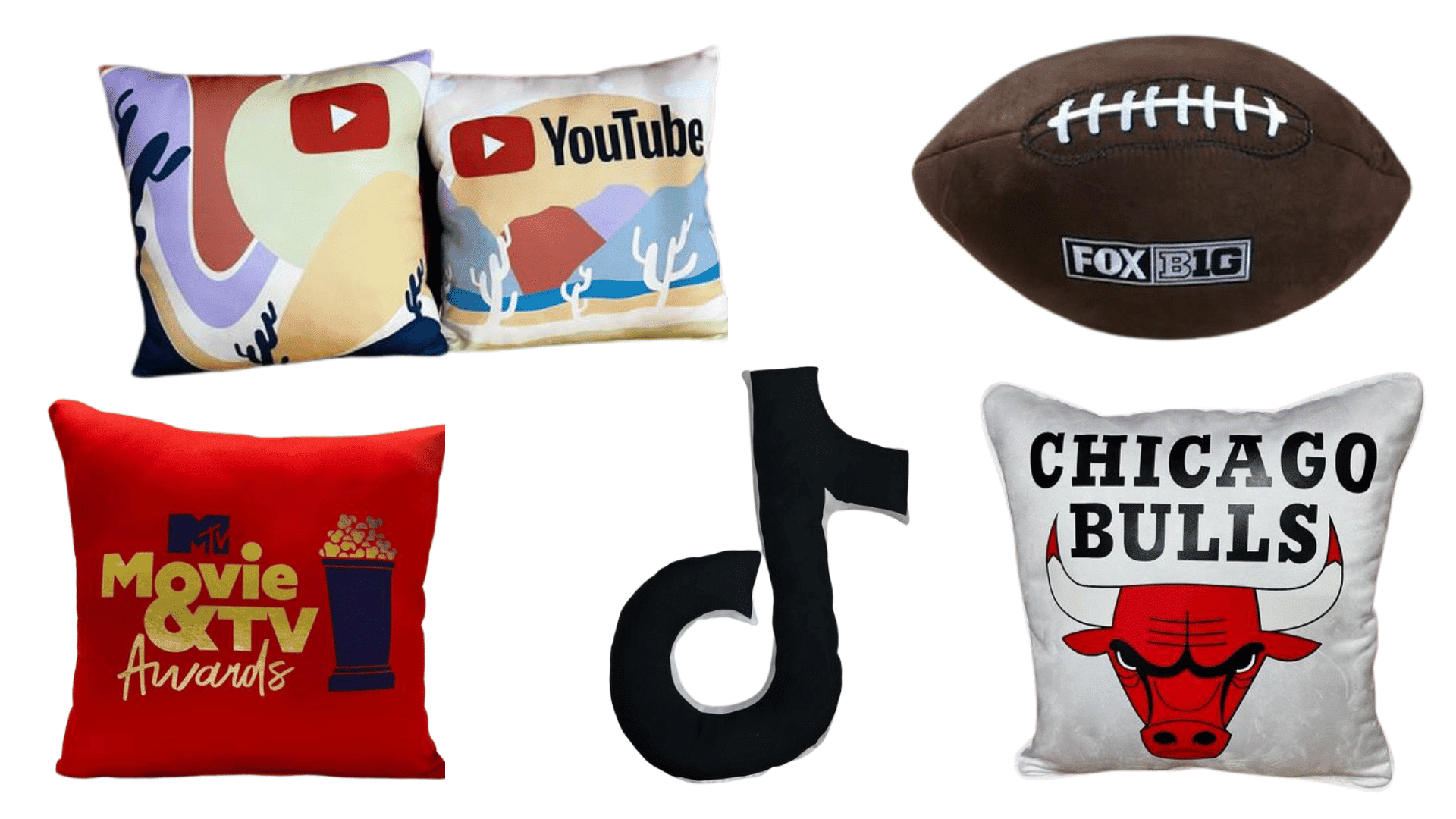
That last category gets underrated. If a sponsor is activating a lounge, recovery room, green room, or hospitality suite, you can do a lot with tactile products like event pillows designed for branded spaces. Those kinds of items extend the visual identity of the sponsor experience without screaming ad placement.
Also, keep regional taste in mind. ASI’s research on end buyers in the West highlights apparel-driven categories like outerwear, performance wear, drinkware, and T-shirts as especially influential in the Pacific region. If your event audience skews West Coast, clean apparel and functional lifestyle pieces are usually the safer bet than novelty items.
Approval Workflow That Prevents Endless Revisions
Bad workflow kills good merch.
The problem is rarely creativity. It is timing, ownership, and too many reviewers entering late with “one small tweak.” If you want a co-branded collection to stay polished, the approval process needs to be designed just as carefully as the collection itself.
At minimum, lock these items before design round one:
- final SKU list
- quantity tiers
- decoration methods
- brand hierarchy
- logo files
- decision-makers
- approval deadlines
Then keep the review process tight:
- Moodboard approval
- Product assortment approval
- Initial artwork concepts
- Final proof with placements and production notes
- Pre-production signoff
Do not invite ten people into the first design round. Put two core decision-makers in charge and ask everyone else to react through them. The more fragmented the feedback, the more likely the final piece gets watered down.
One more pro tip: set revision limits in writing. Not in a harsh way. Just clearly. Two structured rounds are usually enough when the brief is strong.
How to Make Sponsor Logos Look Premium
Logos are not the problem. Cheap-looking execution is.
The biggest mistake brands make is assuming visibility only comes from size. In reality, premium perception usually comes from restraint. A sponsor logo can be highly memorable without dominating the front of the garment.
Better options include:
- tonal embroidery
- matte-on-matte print
- monochrome puff print
- side placement
- cuff hit
- back neck detail
- hem label
- interior custom tag
- packaging insert or belly band
These choices matter because recall is emotional as much as visual. Nielsen’s research on brand recall and lift shows how important memorability is to overall brand performance. In co-branded merch, that means the item has to feel good enough for people to keep interacting with it, not just notice it once.
And when sponsors ask why subtle branding can still work, the answer is easy: premium pieces get worn more. Worn more means seen more. Seen more means better long-term value.
Tiered Sponsorship: Different Merch for Different Levels
Not every sponsor should get the same merch treatment, and honestly, that is a good thing.
Tiered sponsorship works best when the differences feel intentional, not punitive. Your platinum sponsor does not just get “more logo.” They get access to better placement, better product categories, and more curated moments.
Here is a clean structure:
Platinum
- hero apparel placement
- VIP gifting inclusion
- branded lounge product
- limited-run premium item
Gold
- secondary apparel placement
- bundled accessory
- speaker or staff gifting inclusion
Silver
- tote, pouch, or giveaway integration
- packaging insert
- shared signage-to-merch touchpoint
This gives you room to preserve the collection’s design integrity while still giving sponsors meaningful differentiation.
Distribution: Where Co-Branded Merch Should Live
Distribution changes perception.
The exact same product can feel premium, forgettable, or overly promotional depending on where people receive it. Tossing everything into a registration bag is easy, but it is rarely the most strategic move.
Instead, match the piece to the moment:
- attendee apparel at check-in or redemption stations
- VIP kits in-room or backstage
- sponsor lounge exclusives on-site
- speaker gifts delivered privately
- post-event storefront for limited leftovers or extended reach
A post-event storefront is especially smart when the design is strong enough to keep moving after the event. It gives the sponsor more shelf life and gives attendees a second chance to grab pieces they actually wanted.
Measuring Sponsor Value
If you cannot measure it, sponsors will default to logo visibility. That is where a lot of bad merch decisions begin.
The stronger play is to measure value in layers. Not just impressions, but interaction and preference.
Track things like:
- redemption rate
- size selection patterns
- sell-through or claim-through by SKU
- social posts featuring the merch
- sponsor recall in post-event survey responses
- attendee sentiment around quality and usefulness
- repeat wear indicators from follow-up content or community posts
According to Nielsen’s sponsorship measurement research, gains in awareness and consideration can translate into real sales impact over time. And Event Marketer’s guidance on sponsorship activation measurement reinforces the importance of setting clear KPIs and analyzing results over time, not just collecting surface-level data after the fact.
That is the conversation sponsors actually want now. Not “your logo was on 500 hoodies.” More like: “Your brand was associated with the highest redemption item, generated strong recall, and was attached to one of the most favorably rated touchpoints of the event.”
That is a real story. That is sponsor value.
Co-Branded Collections Work When They Feel Like a Collab, Not an Ad
The best co-branded event collections do not feel forced. They feel considered. They have hierarchy, taste, discipline, and products people would choose even outside the event.
When event teams and sponsors build merch that respects both the audience and the brand moment, the result is bigger than swag. It becomes part of the experience, part of the memory, and part of what people actually want to take home.
If you want co-branded merch everyone wants to wear, stop designing for logo exposure alone. Design for desirability first, then let the sponsor visibility live inside something people are genuinely excited to keep.