Gen Z is not taking merch home just because it is free anymore. They are editing it, styling it, filming it, and quietly judging the fit before they even touch the fabric.
That matters because McKinsey found that 73% of U.S. Gen Z consumers have changed their spending habits because of increased prices, which means your event merch now has to feel worth keeping from the first glance. In 2026, the winning play is simple: create pieces that feel like real style, not leftover swag, and your brand gets invited into their daily rotation instead of the bottom of a dorm drawer.
What Gen Z Actually Wants From Event Merch
Let’s start here: Gen Z does not want “promotional products.” They want things that look like they could have been bought on purpose.
That changes the whole strategy for event planners. The question is no longer, “What can we put our logo on?” It is, “What would someone wear, carry, post, or keep even if the event name were smaller?”
Gen Z merch works when it hits four things at once:
- it looks current
- it feels premium
- it fits into everyday life
- it gives them a little social currency
This generation lives at the intersection of aesthetic taste, budget awareness, and online visibility. They are value-conscious, but they still care deeply about curation. So the merch that lands is rarely the loudest piece in the room. Usually, it is the one that feels most wearable.
A smarter event planner mindset is retail first, promo second. Think campus capsule drop, not conference giveaway. Think content-friendly, roommate-approved, coffee-run-ready.
Pro tips:
- Start moodboarding from actual retail and creator styling, not legacy promo catalogs
- Ask whether the piece would still work if your logo were cut in half
- Build around one hero item instead of five filler pieces
The best compliment your merch can get in 2026 is not “nice giveaway.” It is “wait, where did you get that?”
Fit First: Oversized, Boxy, and Unisex Done Right
If the fit is off, the merch is done.
For Gen Z, fit is often the first make-or-break detail, especially with apparel. Oversized still works, but lazy oversized does not. A shirt that is just too long or too thin reads cheap. The better move is boxy, structured, and intentionally roomy.
What that looks like:
- dropped shoulders
- slightly wider sleeves
- a relaxed body
- enough weight to hold shape
- unisex sizing that actually feels flattering
The biggest mistake event planners make is assuming “unisex” means “one standard cut for everyone.” It does not. The better way is to choose modern unisex blanks with shape and drape, then size intelligently. Give attendees a real sizing chart. Better yet, show sample fits at registration or in pre-event comms.
For hoodies, go for a heavier fleece with a fuller body and cleaner cuff. For tees, shorter and boxier usually beats long and clingy. If you are doing outerwear, keep the silhouette clean enough that people can layer it into their real wardrobe.
And do not ignore context. A student leadership summit might want boxy heavyweight tees and embroidered caps. A wellness event might lean into cropped-but-not-too-cropped options, relaxed crewnecks, and brushed totes. A sports-centered program might pair apparel with custom football towels for sports-forward events that still feel polished and photo-ready.
Pro tip: if you are torn between two fits, choose the one that feels more intentional and more substantial. Gen Z can spot a default tee from ten feet away.
Color Trends That Feel “2026” (Without Looking Dated Next Month)
The color conversation in 2026 is not about going wild just to look trend-aware. It is about balance.
The safest, smartest palette direction right now is grounded neutrals plus one intentional accent. Think stone, washed black, cocoa, faded navy, dusty olive, muted cream, and soft gray. Then, if the brand can handle it, bring in one punchier note like cherry red, butter yellow, or indigo.
Why this works: neutrals keep the merch wearable past the event date. Accent colors make it feel current enough to stand out online. That combination gives you longevity without looking sleepy.
A good Gen Z color palette often follows one of these formulas:
- Monochrome minimal
Black on washed black, cream on sand, navy on slate. - Neutral with one pop
Mushroom hoodie, cherry embroidery. - Vintage-washed palette
Faded forest, muted burgundy, sun-worn blue. - Clean athletic palette
Heather gray, deep navy, crisp white, one bright signal color.
If you want outside inspiration, color leaders like Pantone’s Color of the Year and visual forecasting tools like the Pinterest Palette are useful references, but the real rule is this: choose colors people can wear more than once a week.
Pro tip: if your event branding is very bright, do not force the merch to match it exactly. Translate the brand into a lifestyle palette instead.
Fabric and Quality Signals Gen Z Notices Immediately
Gen Z may not always know the exact ounce weight of a tee, but they absolutely know when something feels flimsy.
Quality signals show up fast:
- fabric weight
- softness
- collar structure
- print hand feel
- whether the garment twists after one wash
- whether the color looks rich or flat
In other words, the blank matters. A lot.
For tees, heavyweight cotton or soft premium blends tend to outperform thin standard promo shirts. Garment-dyed pieces are strong because they feel broken-in and elevated right away. Washed finishes also photograph better than ultra-bright basic cotton.
For hoodies and crews, look for:
- dense fleece
- smooth outer face
- minimal pilling
- a premium-feeling hand
- sturdy ribbing
For non-apparel, the same rule applies. The tote should feel durable. The water bottle should have a finish worth carrying. The hat should not collapse weirdly after one wear.
If you want to go extra smart, make material language part of the experience. Tell people what they are getting. “Heavyweight cotton tee.” “Garment-dyed finish.” “Soft-touch brushed fleece.” That kind of copy turns merch into product.
Pro tip: spend more on one noticeably better blank instead of stretching the budget across multiple forgettable pieces.
Design Language: Minimal, Iconic, and “Not Too Corporate”
This is where a lot of brands lose the room.
Gen Z is not anti-branding. They are anti-obvious branding. There is a difference.
The merch that wins usually feels cleaner, sharper, and more restrained than what older promo playbooks would suggest. That means:
- smaller chest hits
- better type
- smarter back graphics
- icon systems
- tonal embroidery
- phrases or symbols that feel community-based, not ad-based
A giant centered logo is rarely the hero anymore. Sometimes the better move is a sleeve hit, a tiny front mark, a large back design, or a placement that feels more like apparel design than sponsorship signage.
Think about what the piece says visually before it says anything verbally.
A few design approaches that are working:
- tonal puff print on heavyweight hoodies
- single-color back graphic with subtle front embroidery
- date-stamped event merch with clean typographic hierarchy
- icon-based systems tied to the event theme
- limited-edition numbering for select VIP or staff pieces
This is also where storytelling matters. If you can build merch around a moment, not just a logo, it gets stronger. JNP has already done this well in projects like this Wesleyan championship totes and shirts case study, where the merch supported identity, pride, and memory all at once.
Pro tip: before approving final art, ask one brutally honest question: does this look like merch, or does it look like something people would actually style?
Trend Mechanics: How to Use Micro-Trends Without Cringe
This is the section event planners need most.
Yes, Gen Z moves fast. Yes, culture shifts fast. No, that does not mean you should chase every micro-trend.
The trick is to borrow the energy of a trend, not the shelf life.
Here is the safer formula:
- use trend-influenced silhouettes
- use current color cues
- use one culture-aware detail
- keep the core design timeless
For example, instead of building an entire line around one internet phrase, use a current silhouette, a sharper palette, and a more editorial placement. Instead of printing something hyper-online across the chest, use that energy in a sticker pack, insert card, or limited-run side item.
Micro-trends are best used in the accessories, secondary graphics, or event-exclusive drop elements. They are risky when they become the entire identity of the merch program.
A few low-risk ways to nod to trends:
- event-exclusive alternate colorway
- collectible patch or sticker sheet
- custom packaging insert
- limited embroidery phrase on a hat interior or sleeve
- one-night-only item for speakers, VIPs, or staff
Pro tip: trend-safe merch should still look good six months later, even if the internet has already moved on.
Sustainability That Feels Real (Not Performative)
Gen Z can tell when a sustainability claim is real, and they can definitely tell when it is just decorative copy.
So if sustainability is part of your pitch, make it specific. Skip vague language like “eco-friendly” unless you can back it up. Focus on choices that are visible, practical, and credible:
- better blanks that last longer
- lower-count kits with stronger utility
- recycled or organic material options where available
- minimal packaging
- useful items people will keep
- verified certifications
This is where a little honesty goes a long way. It is better to say, “We chose one durable heavyweight tee instead of four disposable extras,” than to oversell a weak green claim. If you want your language to stay grounded, review the FTC’s Green Guides. And if you are sourcing textiles with recognized standards, references like OEKO-TEX STANDARD 100 and the Global Organic Textile Standard help make the conversation more credible.
Also, sustainability is not just about the garment. It is about the whole merch system:
- Are you overordering?
- Are you shipping unnecessary filler?
- Are you choosing products with real repeat use?
- Are you making packaging part of the waste problem?
Pro tip: sustainability lands better as proof than as branding.
Product Mix Beyond T-Shirts
A Gen Z-friendly merch strategy should not stop at tees.
Apparel is still the anchor, but the strongest merch programs usually layer in one or two accessories that extend the lifestyle of the event. The best ones are functional, filmable, and easy to integrate into real routines.
Strong product categories for 2026:
- trucker hats with tasteful embroidery
- structured caps
- canvas totes with elevated graphics
- insulated bottles in modern finishes
- sticker packs
- woven or embroidered patches
- premium socks
- mini tech accessories with clean design
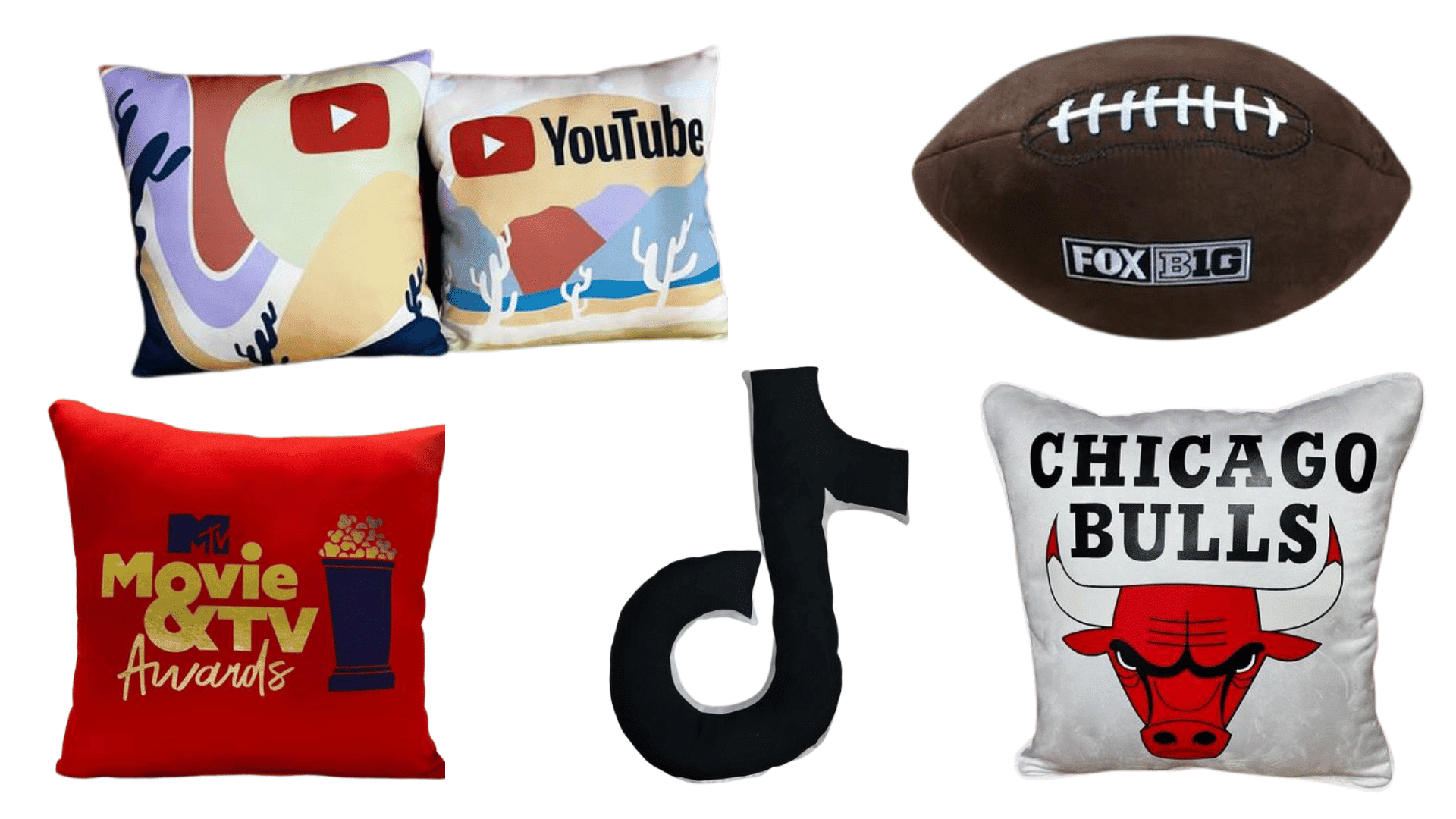
- comfort pieces that feel unexpected, like custom event pillows
The key is mix discipline. Do not build a giant grab bag. Build a merch lineup with roles:
- one hero wearable
- one functional carry item
- one low-cost expressive add-on
That creates a much better unboxing and a cleaner budget story.
Pro tip: if every item feels equally random, none of them feel special.
Social-First Merch: Designing for Photos and Short-Form Video
If people are not filming it, posting it, or organically wearing it later, you are leaving value on the table.
In 2026, merch should be designed with content in mind from the beginning. That does not mean it needs to scream for attention. It means it needs shape, texture, contrast, and moments.
Ask:
- does this read on camera?
- does the silhouette look good in motion?
- will the embroidery catch light?
- is the packaging worth an unboxing clip?
- would a creator or student ambassador naturally wear this in a fit check?
Some of the best social-first design choices are small:
- oversized back print that reads in mirror selfies
- tonal embroidery that rewards close-up shots
- washed fabric that gives depth on camera
- layered inserts, tags, or sleeves that feel intentional
- a cohesive merch story across apparel and accessories
If you want a reality check on how culture and creator behavior are shaping brand engagement, reports like TikTok’s What’s Next Trend Report are worth a look. The bottom line is simple: merch is no longer just a giveaway. It is content, identity, and post-event brand memory all wrapped together.
Pro tip: design at least one item in every merch drop to be the piece people reach for when they know they might end up on camera.
Conclusion: Gen Z Keeps Merch That Looks Like Style, Not Swag
The event planners who win Gen Z in 2026 are not the ones giving away the most stuff. They are the ones making the sharpest choices.
Start with fit. Get the fabric right. Keep the color palette wearable. Design like a brand with taste, not a sponsor with extra budget. Then choose products that actually belong in your audience’s life.
That is the shift. Gen Z keeps merch that feels like style, not swag.
Takeaway:
If you want your next event merch drop to land, think less like a giveaway table and more like a curated capsule. The pieces that get worn, posted, and remembered are the ones that feel intentional from silhouette to stitching.